
Etosha National Park is one of the top attractions in Namibia and welcomes thousands of visitors each year. It is well maintained, easy to access, and safe to visit at any time of the year.
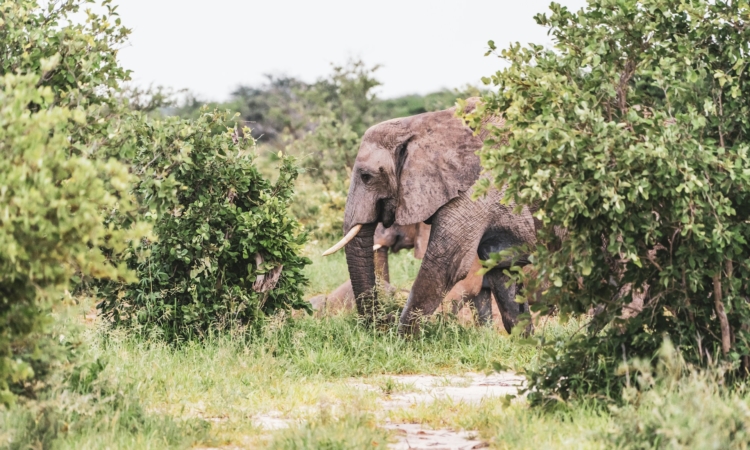
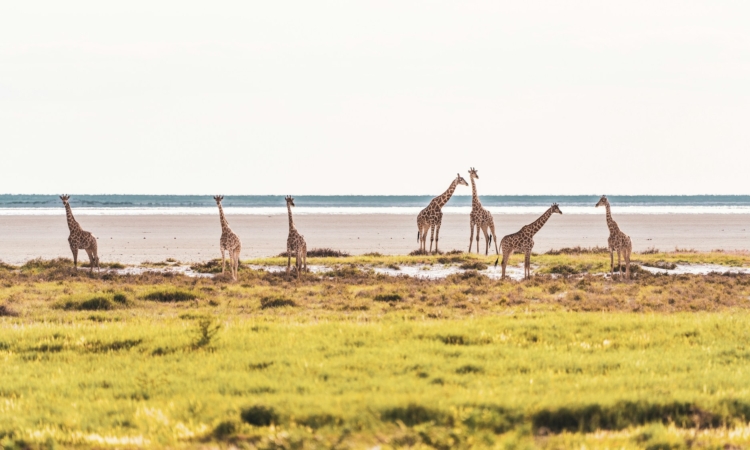
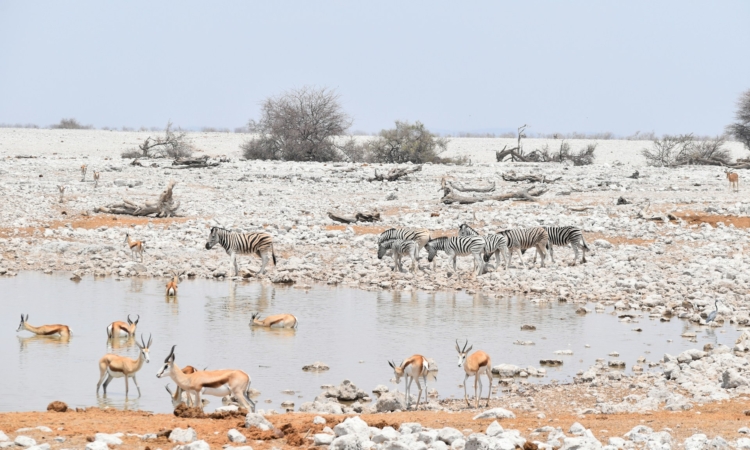
Tourists come from all over the world to enjoy its open landscapes, many bird species, and wild animals such as elephants, rhinos, lions, cheetahs, giraffes, and many more.
The park is managed and protected by Namibia’s Ministry of Environment, Forestry, Tourism, and Safety. Their role is to ensure that the environment is cared for while also keeping visitors safe.
Even so, Etosha is still true wilderness, and for this reason, there are rules in place to make sure travelers remain secure during their visit.
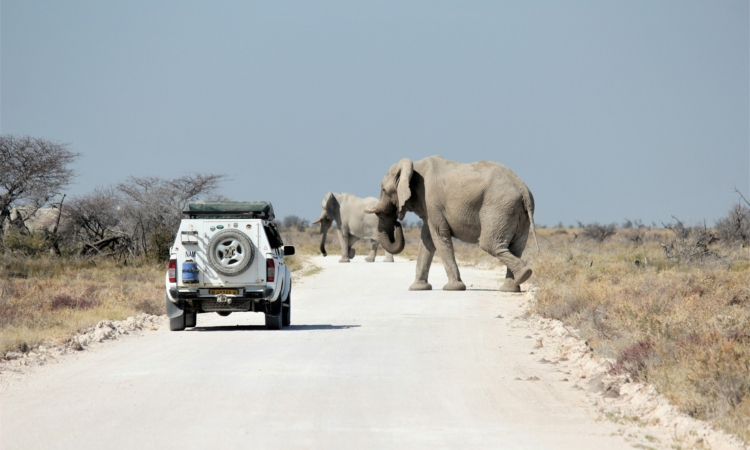
One important rule is that visitors are not allowed to walk freely in the wild areas of the park. Game drives can only take place on the designated roads, and everyone must stay inside their vehicle during the drive.
Guests are only allowed to leave their vehicles at safe areas such as rest camps and marked picnic sites. These rules reduce the risk of dangerous encounters with wildlife.
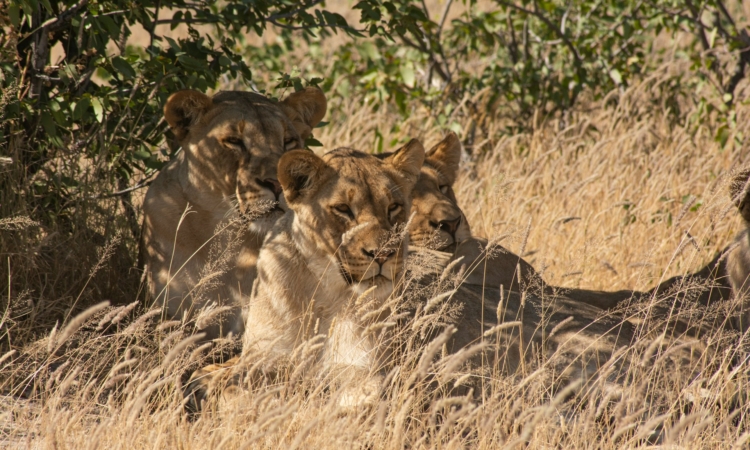
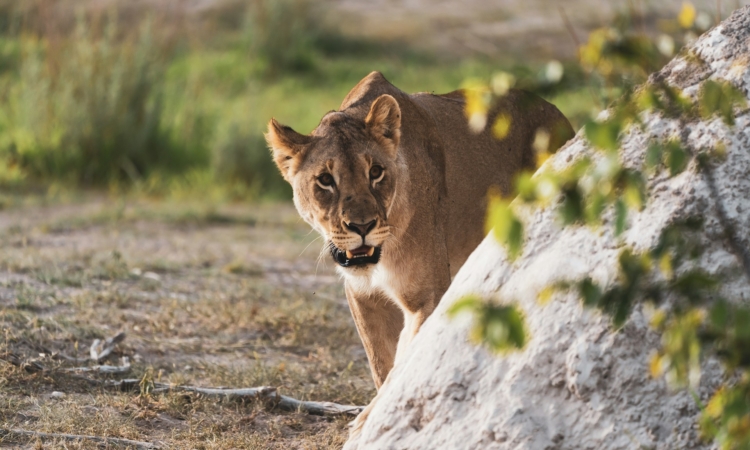
Predators like lions, leopards, and hyenas live freely in the park, but they do not pose a serious risk as long as visitors follow the guidelines and avoid approaching or disturbing animals.
Accommodation inside Etosha is also very safe. Rest camps such as Namutoni, Okaukuejo, and Halali are fully fenced and secure.
They provide comfortable lodging, restaurants, shops, and waterholes where animals can be observed safely from behind protective barriers. At night, the camps are locked to give visitors extra protection.
Park staff and security teams are available to help in case of an emergency, and the park has clear signs and well-maintained gravel roads to make driving easy. This helps self-driving visitors avoid getting lost.
Etosha is also considered to carry a lower health risk compared to some other safari destinations, making it a safe and enjoyable choice for travelers of all ages.