Etosha National Park is not only famous for its wildlife but also for being located in a culturally rich part of Namibia. The area is home to several indigenous tribes, including the Ovambo, Himba, Herero, and Damara people. Each of these groups has strong traditions, unique ways of life, and a deep connection to their land.
The Ovambo are the largest ethnic group in Namibia and mainly live in the northern part of Etosha. They are skilled farmers who grow crops and raise animals. Family plays an important role in their society, and many Ovambo people live in traditional homesteads built from local materials.
While farming is their main activity, some Ovambo also work in tourism, helping visitors in lodges or guiding tours. They often combine modern life with traditional customs and sometimes perform cultural dances wearing special handmade clothes.
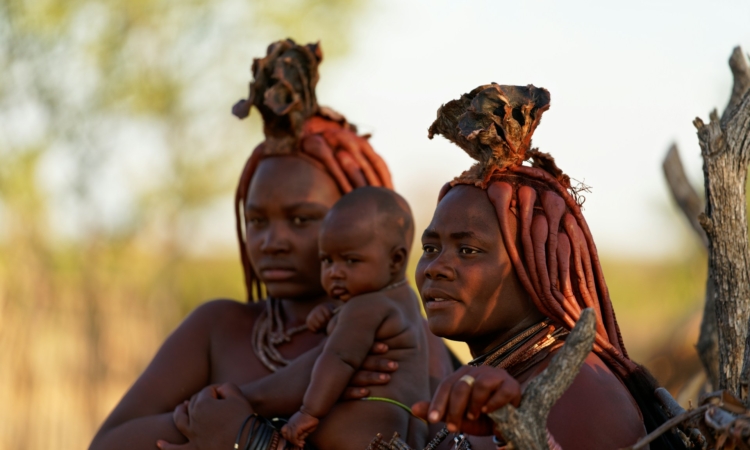
The Himba and Herero live mostly in the west and northwest of Etosha. The Himba are well known for covering their skin with red ochre mixed with butterfat, which protects them from the sun and has cultural meaning.
They are also recognized for their special hairstyles and jewelry, which often show age, status, or family ties. The Himba continue to live as pastoralists, moving with their cattle and goats in search of water and grazing land.
The Herero are closely related to the Himba but are most recognized by the colourful Victorian-style dresses worn by women. This style reflects the history of European contact in the region and has become a strong cultural symbol. Like the Himba, the Herero also depend on livestock and keep many traditions alive through ceremonies and community gatherings.
In the southwest of Etosha, the Damara people are known for their language, which includes click sounds, and for passing on stories, songs, and history through oral traditions. They also share their culture with visitors through community tourism projects, offering music, crafts, and traditional practices.
Together, these tribes add rich cultural value to the Etosha region. Their traditions not only preserve heritage but also support sustainable tourism and conservation, helping both people and wildlife benefit from the park.