The King Nehale Lya Mpingana Gate is the newest entrance on the northern side of Etosha National Park and has quickly become one of the most popular access points.
It was officially opened in 2020 and is named after King Nehale lya Mpingana, a respected Ovambo leader and national hero remembered for his strong resistance against German colonial forces.
This gate not only serves as a practical entry to Etosha but also stands as a symbol of Namibia’s connection between cultural history and natural heritage. It is located in the Oshikoto Region, with Omuthiya being the nearest town, and gives easy access to visitors traveling from northern Namibia or even from Angola.
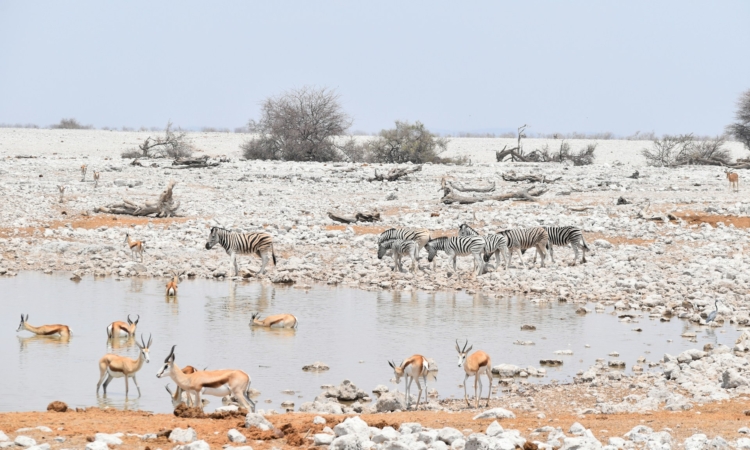
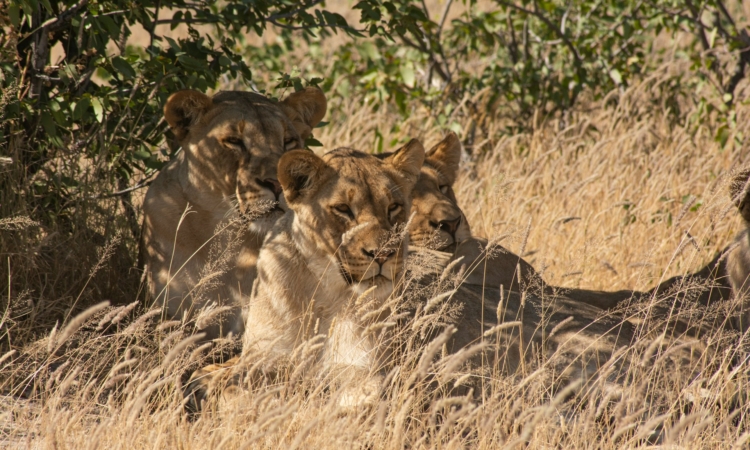
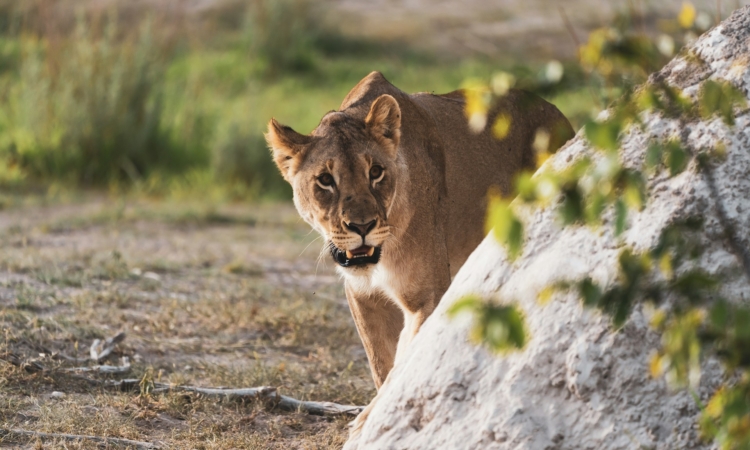
The gate leads directly into the northeastern part of the park, only a short drive from Namutoni Camp. From here, visitors can quickly reach well-known waterholes such as Chudop, Klein Namutoni, and Kalkheuwel. These spots are good areas for wildlife viewing, especially during the dry season when animals gather to drink.
One of the main benefits of this entrance is that it helps reduce congestion at the Von Lindequist Gate on the eastern side while also promoting tourism growth in the northern regions of the country.
The King Nehale Gate was designed with attention to both conservation needs and local community involvement. Standard services such as vehicle checks, permit control, and entry registration are available here, ensuring smooth access to the park.
The nearby communities are rich in culture and give visitors the chance to experience local crafts, traditional performances, and Namibian food. By using this route, travelers not only reach the park easily but also support the growth of rural economies and learn about the identity of the Oshikoto Region.
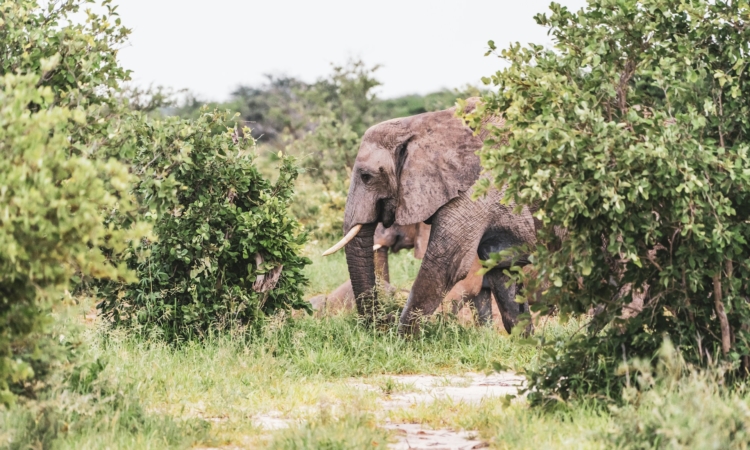
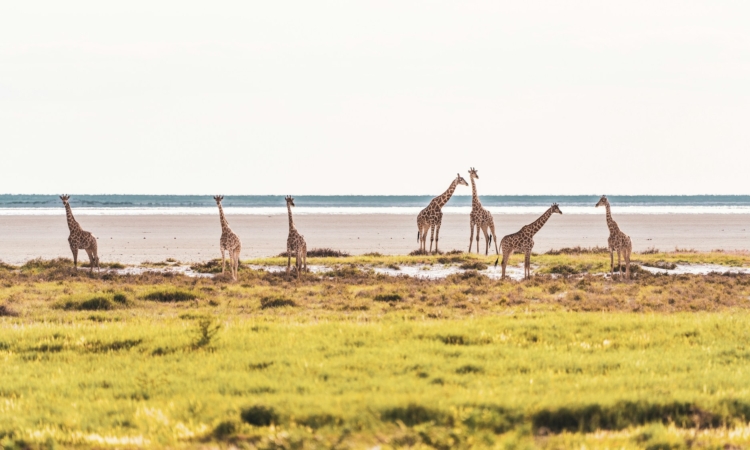
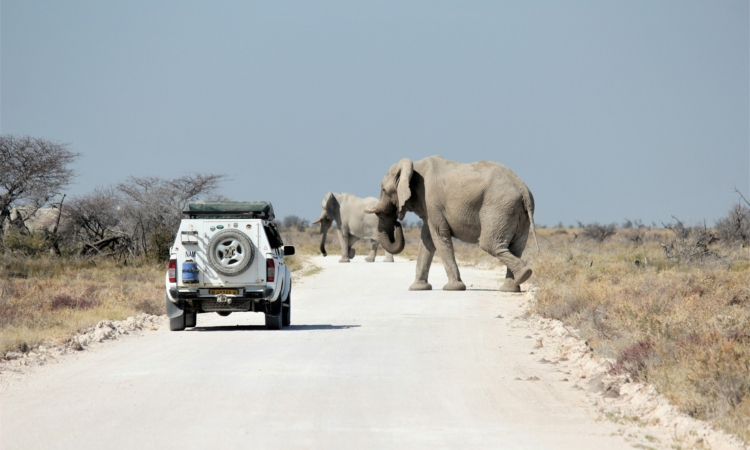
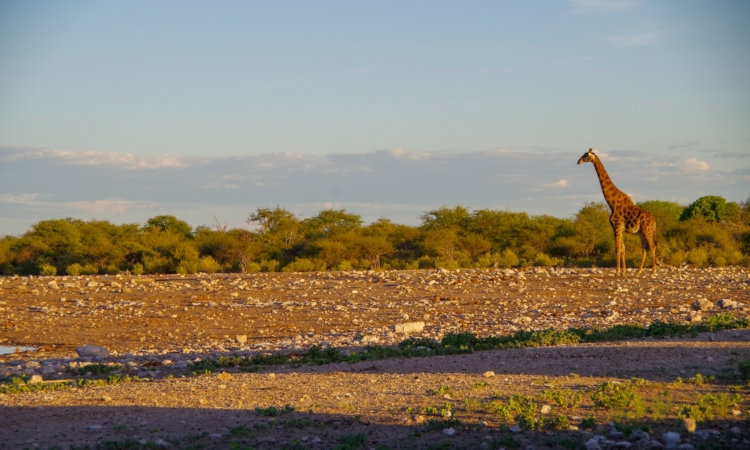
The landscape around the gate is greener and more wooded compared to central and western Etosha, making it especially attractive after the rainy season. Wildlife sightings can be rewarding in this part of the park, with elephants, giraffes, antelopes, and many species of birds often seen.
The opening of King Nehale Lya Mpingana Gate highlights Namibia’s goal of creating inclusive tourism that protects nature while honouring cultural history and uplifting local people.