Climate & Weather
Etosha National Park in April – Weather, Wildlife & Safari Travel Tips
 By Etosha National Park Team Updated
2 min read
When to go
- Rainfall
- Animals at waterholes
- Jan Rains and newborn antelope
- Feb Wettest weeks, lush plains
- Mar Pan may hold water, flamingos
- Apr Rains ease off
- May Dry season begins
- Jun Cool, clear days
- Jul Herds gather at waterholes
- Aug Peak waterhole viewing
- Sep Hot days, busy waterholes
- Oct Hottest, driest month
- Nov First rains arrive
- Dec Green season starts
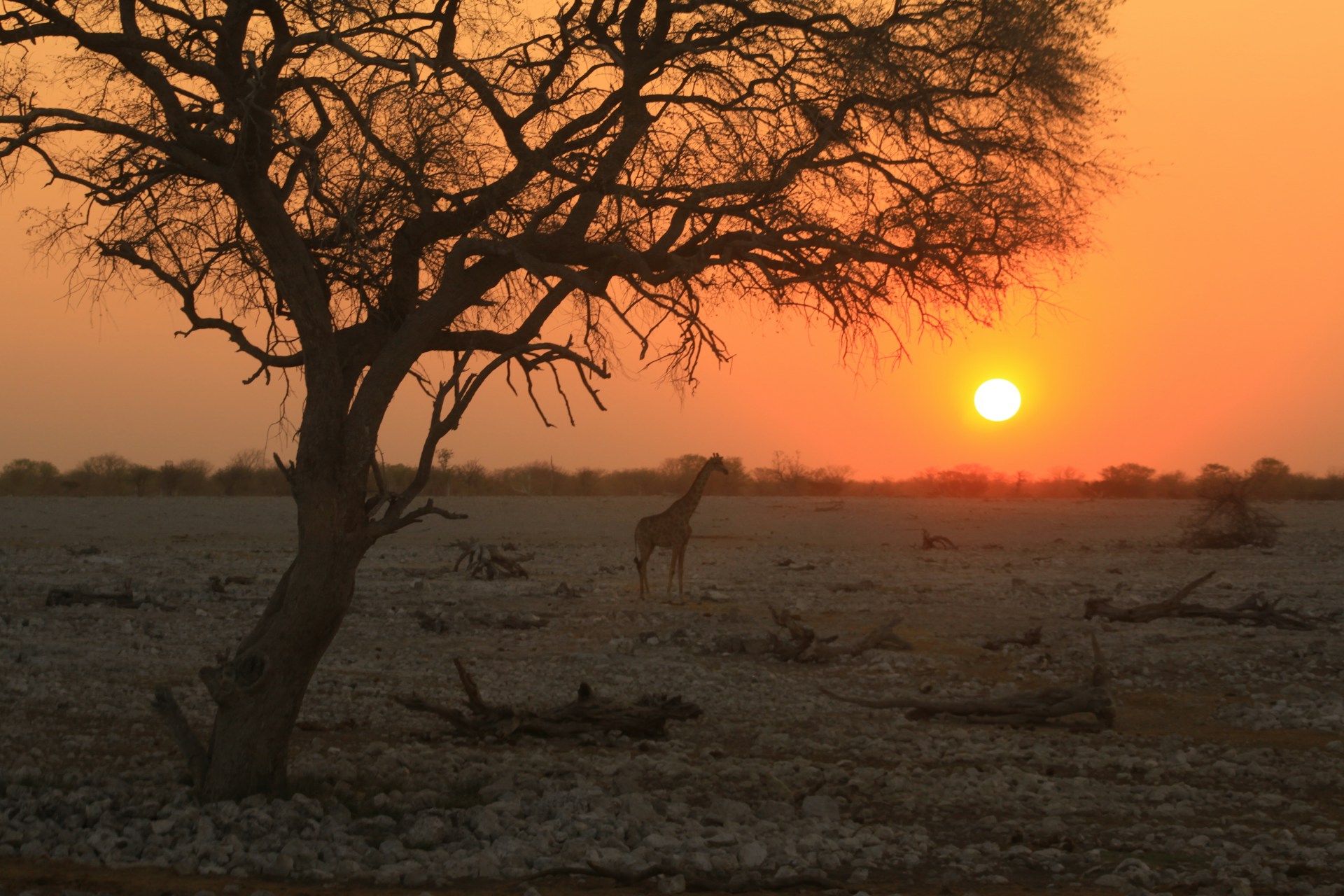
April is a month of change in Etosha National Park as the rainy season slowly ends and the dry season begins. The park’s grasslands, which were green and fresh during the rains, start to dry out, and the landscape begins to look more open. This shift makes it easier for visitors to see animals moving across the plains.
Temperatures in April are generally warm during the day, ranging from 25°C to 32°C, while nights are cooler, dropping to between 8°C and 12°C. These cooler nights can feel quite chilly, so travelers should bring warm clothing for evenings and early mornings. Winds are moderate, and a gentle breeze is often felt in the evenings, adding to the cooler conditions.
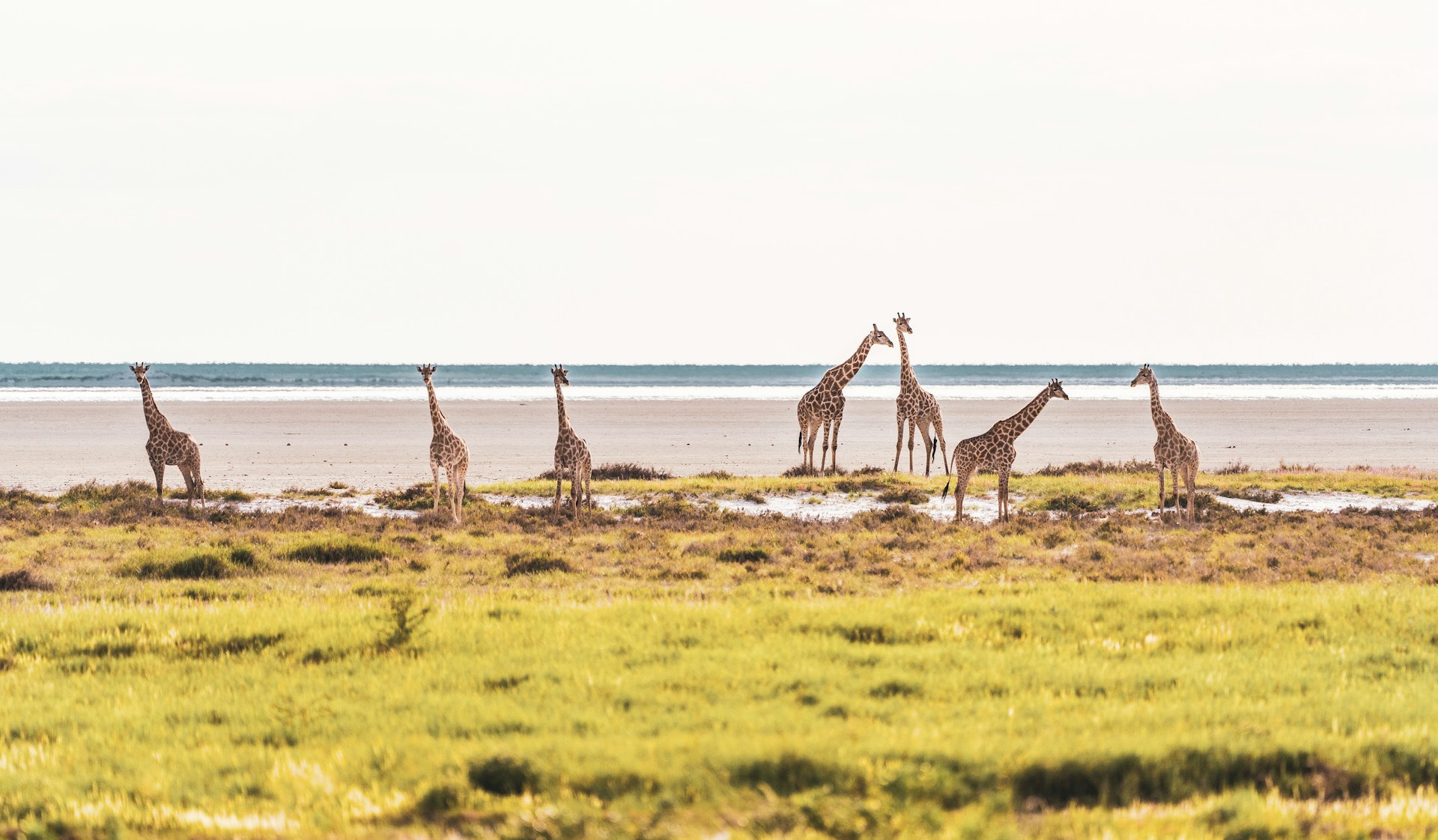
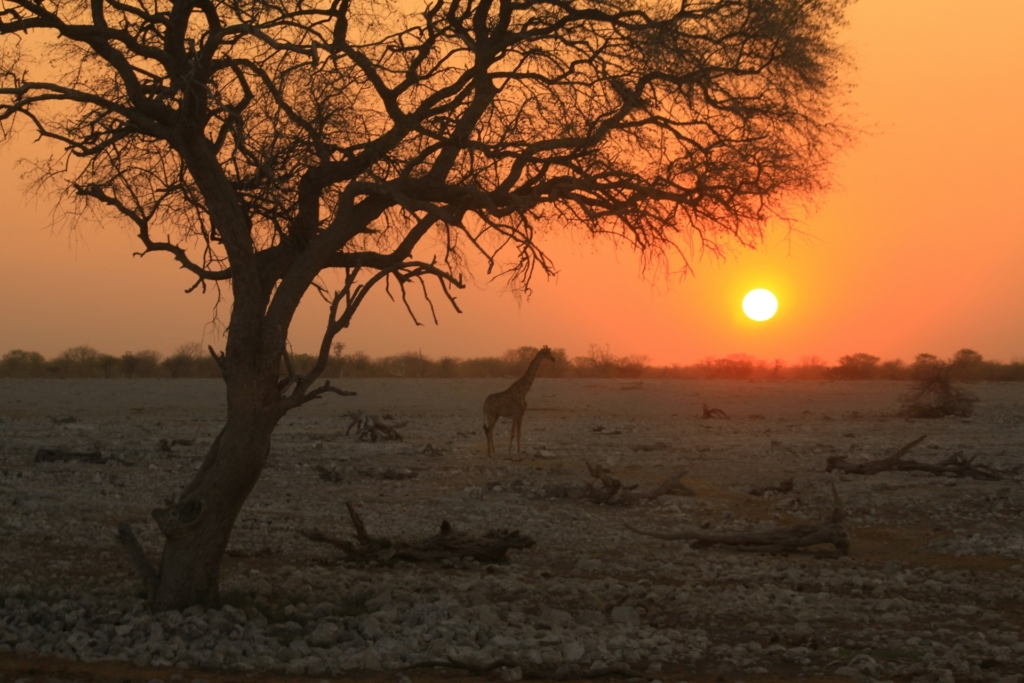
As the rains fade, water becomes limited to main waterholes and large pans such as Fischer’s Pan and Ondonga. These places become gathering points for many animals and birds. During the rainy months, wildlife was scattered across the park, but now herds of antelopes, zebras, giraffes, and elephants are seen more often near waterholes. Predators like lions and cheetahs still use shady trees to rest, but the thinner vegetation makes them easier to spot.
The mild weather and good wildlife activity make April an attractive month to visit. It is not as hot as the peak summer months, and the park is usually less crowded, giving visitors more space and time to enjoy the scenery and animals. Game drives are especially rewarding in the early morning and late afternoon, when temperatures are cooler and animals return to drink at waterholes.
Travelers exploring deeper into the park should consider using a 4×4 vehicle, as some roads may still be uneven or muddy with potholes left behind by the rainy season. These vehicles make travel safer and more comfortable.
Accommodation in popular camps such as Okaukuejo and Halali should be booked early, even in April, since these central spots often fill up quickly. Staying near a camp waterhole gives visitors the chance to watch animals at all hours, sometimes even at night.
April offers a balance of mild weather, open landscapes, and reliable wildlife viewing, making it a great time for a safari in Etosha.