
Etosha National Park in Namibia is an area where malaria can sometimes be found, mainly during the rainy season from November to April. The risk of malaria in the park is considered low to moderate, but visitors should remember that the disease is still present. After heavy rains, mosquitoes breed quickly in pools of standing water, which increases the chances of bites and infection.
Travelers are advised to take extra care if visiting in the wetter months. One of the most important steps is to ask a healthcare provider about taking antimalarial medication before traveling. Other protective measures include wearing long-sleeved shirts and trousers in the evenings when mosquitoes are most active, sleeping under treated mosquito nets, and applying insect repellent with DEET or similar ingredients. These small steps can greatly reduce the risk of being bitten.
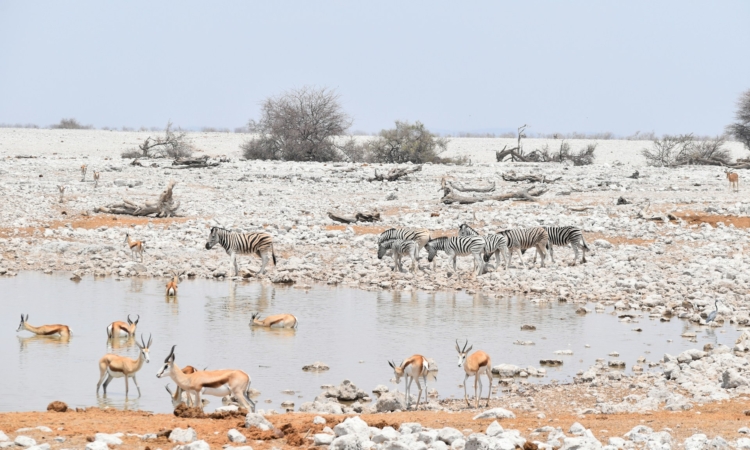
From May to October, during the dry season, the situation is different. Water becomes scarce in the park, and the dry conditions make it harder for mosquitoes to survive. As a result, the malaria risk is much lower during these months. Many visitors prefer to travel in this season not only for the reduced risk of malaria but also because wildlife is easier to see around the remaining waterholes.
Even so, it is always wise to stay cautious and prepared. Medical facilities inside Etosha are very limited, so visitors should carry any prescribed medication, basic first aid supplies, and consult a health professional before leaving for their trip. Prevention is always better than dealing with an illness while on safari.
Accommodation choice also plays a role in protection. Many lodges and rest camps in Etosha provide extra safety measures, such as mosquito nets, screened windows, or regular mosquito control in guest rooms. Choosing places with these features adds another layer of comfort and security.
By being informed and taking the right precautions, visitors can reduce the risk of malaria and focus on enjoying their safari experience. Good preparation before travel and simple protective habits during the trip make it possible to explore Etosha safely while appreciating its wildlife and natural beauty.